USMLE Step 1, Step 2 CK & Step 3 Question Bank
2,500+ board-style questions across Step 1, Step 2 CK and Step 3 — one subscription instead of three. Every explanation works through the reasoning, says why each wrong answer is wrong, and names the guideline it rests on.
Who it is for: Medical students preparing for Step 1 and Step 2 CK, international medical graduates working toward ERAS and the Match, and residents sitting Step 3.
Start 14-Day Free Trial →Try 3 free questions →14 days free, then from $19/month · Cancel before day 15 and pay nothing
Blueprint coverage
Questions are mapped to the exam blueprint domain by domain, so preparation is even rather than concentrated in the topics that are easiest to write.
Step 1 — foundational science
- Systemic pathology and pathophysiology
- Hematologic and oncologic pathology
- Pharmacology, pharmacokinetics and adverse effects
- Cardiovascular, renal and respiratory physiology
- Microbiology — bacteriology, virology, mycology and parasitology
- Immunology and immunodeficiency
- Biochemistry, metabolism and inborn errors
- Molecular biology and genetic disorders
- Anatomy, neuroanatomy and embryology
- Biostatistics, behavioral science and medical ethics
- Toxicology and antidotes
Step 2 CK — clinical knowledge
- Patient safety, medical ethics and end-of-life care
- Psychiatry and substance use
- Pediatrics and congenital disease
- Obstetrics and gynecology
- General surgery, trauma and the acute abdomen
- Cardiology — ACS, arrhythmias, valvular disease and heart failure
- Pulmonology — asthma, COPD, pneumonia and pulmonary embolism
- Nephrology — AKI, CKD, electrolytes and acid-base
- Gastroenterology — GI bleeding, liver and biliary disease
- Endocrinology — thyroid, adrenal and diabetes
- Oncology and oncologic emergencies
- Infectious disease and sepsis
- Neurology, dermatology and rheumatology
Step 3 — independent practice
- Capacity, consent and surrogate decision-making
- Diabetes — drug selection, cardiorenal risk and de-intensification
- Acute kidney injury, electrolytes and CKD
- ACS, heart failure and hypertension
- Pulmonary embolism, asthma and COPD
- Sepsis and critical-care nutrition
- Cirrhosis and gastrointestinal disease
- Preventive care and screening
- Psychiatric emergencies and substance use disorders
- Geriatrics — polypharmacy, falls and frailty
- Obstetric and gynecologic management
- HIV, hepatitis and outpatient infections
- Biostatistics and literature interpretation (FIP)
Led by a fellowship program director
MedBoard Pro is led by Dr. Anteneh Zenebe, MD, FACE — a board-certified endocrinologist, Assistant Clinical Professor at Howard University College of Medicine, and Associate Program Director of the Endocrinology, Diabetes and Metabolism Fellowship Program at Howard University Hospital.
Explanations are written to teach, not merely to score: the clinical reasoning is worked through, each distractor is addressed, and the governing guideline is cited by name and edition. Guideline currency is actively maintained — superseded editions and withdrawn drugs are corrected rather than left to age in place.
Frequently asked questions
Do I need a separate subscription for each Step?
No. One subscription covers Step 1, Step 2 CK and Step 3, so you can move from foundational science to clinical knowledge to independent-practice management without buying another question bank.
What does the USMLE question bank cover?
Step 1 foundational science (pathology, physiology, pharmacology, microbiology, immunology, biochemistry, genetics, anatomy, biostatistics and ethics), Step 2 CK clinical knowledge across medicine, surgery, pediatrics, obstetrics and gynecology and psychiatry, and Step 3 management and Foundations of Independent Practice topics including literature interpretation.
How are the explanations different?
Each explanation walks through the clinical reasoning, explains why every distractor is wrong, and names the governing guideline by society and edition. Guideline currency is actively maintained: superseded editions and withdrawn drugs are removed rather than left in place.
Is there a free trial?
Yes — 14 days with full access to every track. A credit card is required to start, but you are not charged until day 15, and you can cancel any time before the trial ends at no cost.
Start preparing today
Full access to every track for 14 days. Cancel any time before day 15 at no cost.
Start 14-Day Free Trial →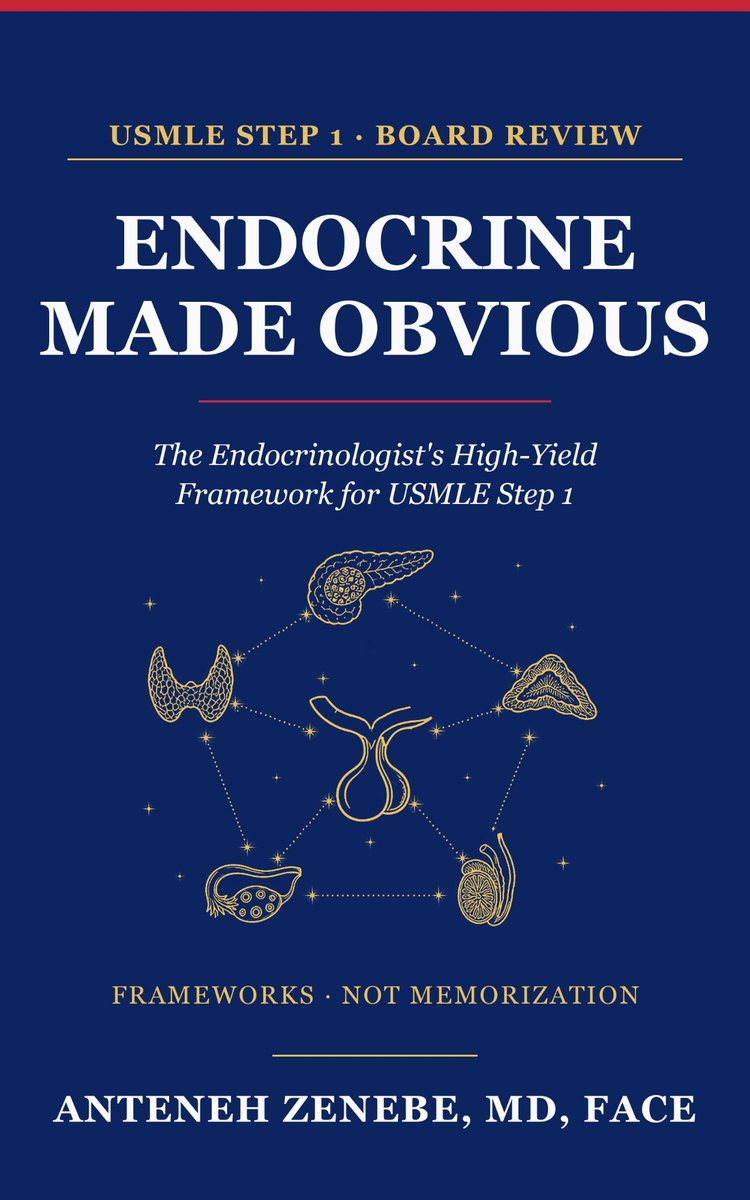
Endocrine Made Obvious
My high-yield framework for USMLE Step 1 endocrinology: learn the four-layer axis once, then read every disease as a lab pattern.
Buy on AmazonAbout the book →Kindle $9.99 · Paperback $24.99